Regional Nonprofit Organization

Millennium Development Services Corporation

Strengthening farmers, cooperative food systems, and community food security across the Midwest

7+
States Served
300+
Legacy Farmers
Regional
Impact Focus

Regional Impact

MDSC is a dynamic regional nonprofit organization dedicated to strengthening farmers, cooperative food systems, and community food security across the Midwest and surrounding regions. While rooted in Indiana, MDSC operates with a broad, multi-state vision aligned with the growth of the Legacy Regional Agricultural Cooperative (LRAC) and regional food-distribution networks that stretch across Indiana, Illinois, Ohio, Michigan, Tennessee, Kentucky, and beyond.

Through strategic partnerships, technical assistance, and capacity-building support, MDSC plays a critical role in advancing farmer development, cooperative enterprise, and equitable access to fresh, healthy food.

Indiana
Illinois
Ohio
Michigan
Tennessee
Kentucky
Beyond
Midwest farmland and agricultural landscape
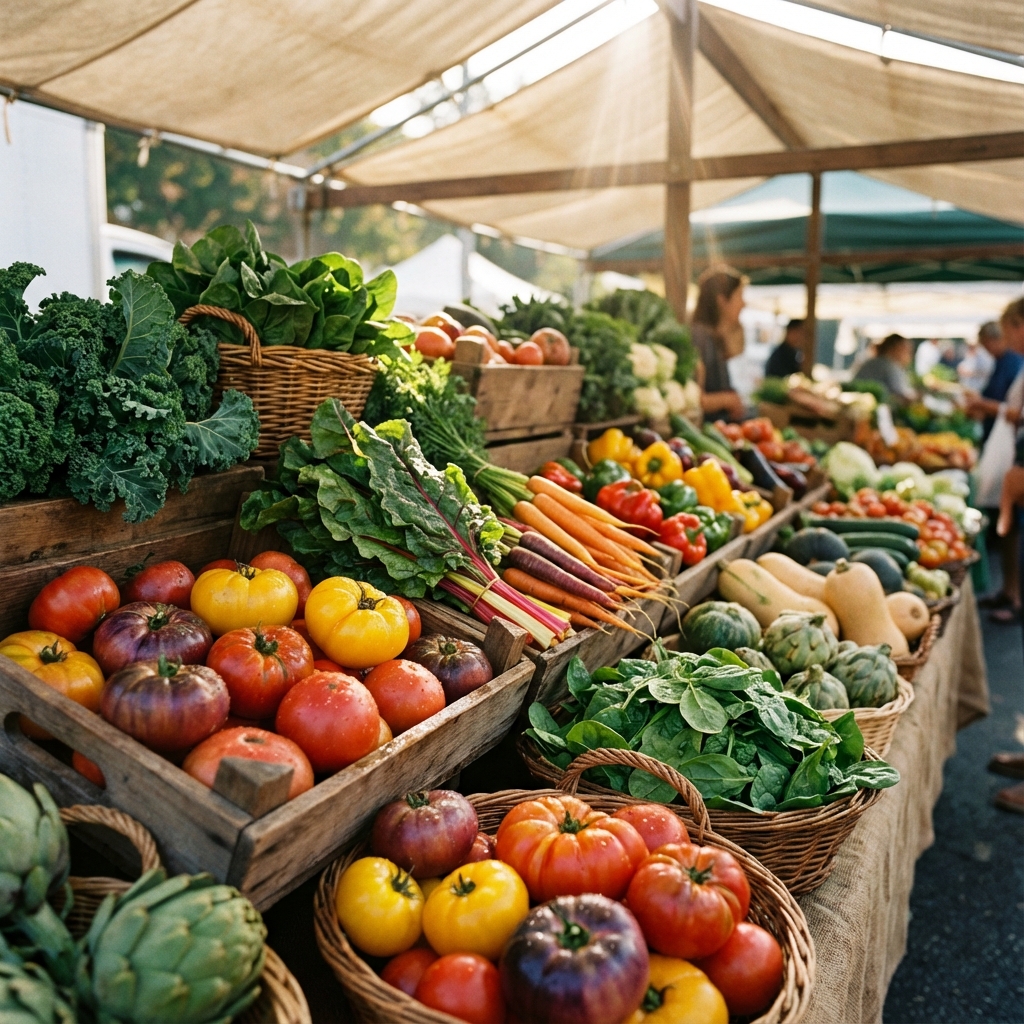
Fresh produce and vegetables from regional farms

Accelerating Regional Food System Development

MDSC's mission is to support and accelerate the development of regional, community-centered food systems by investing in farmers, strengthening cooperative supply-chain infrastructure, and advancing equitable food access initiatives.

The organization champions the success of underserved, BIPOC, and small-to-midsize farmers while bridging connections between producers, food hubs, healthcare partners, schools, and community distribution networks.

Building Resilient Food Systems

01

Empower Regional Farmers

Support BIPOC, underserved, and beginning producers with training, resources, and access to markets within LRAC's multi-state ecosystem.

02

Strengthen Cooperative Networks

Build cooperative food-supply networks including aggregation, processing, cold storage, transportation, and distribution across the Midwest.

03

Advance Food Access

Move nutritious food into rural and urban communities facing food insecurities through regional initiatives.

04

Support Policy & Advocacy

Expand opportunities for farmers and increase resilience of community food systems through education and advocacy.

05

Grow Regional Platform

Transform the Indiana Black Loam Conference into a multi-state platform for farmer education, leadership, and innovation.

Supported Programs & Activities

LRAC / Legacy 300 Regional Cooperative Support

MDSC provides operational and programmatic support to the Legacy Regional Agricultural Cooperative and the Legacy 300 ecosystem.

Regional farmer recruitment and onboarding
Training, workshops, and technical assistance
Coordination of cooperative supply-chain development
Capacity-building for farm businesses entering markets

Multi-State Food Distribution Expansion

MDSC plays a role in expanding regional produce movement through strategic partnerships and infrastructure development.

Support for food hubs and community distributors
Transportation coordination and cold-chain development
Strengthening distribution to food banks and healthcare partners

Indiana Black Loam Conference

MDSC is a core sponsor and support organization for the Indiana Black Loam Conference, transforming it into a regional convening for multi-state collaboration.

BIPOC and underserved farmers
Cooperative leaders and youth in agriculture
Policy and advocacy champions
Technical assistance providers

Farmer & Community Food Programs

MDSC helps coordinate and support a range of fresh-food access programs across the region.

Farm-to-family distribution and food giveaway programs
Community-based produce deliveries
Partnerships with healthcare providers for "Food is Medicine" initiatives
Education promoting nutrition, food sovereignty, and farm entrepreneurship

Supporters & Donor Partnerships

MDSC's impact is amplified by the generous support of regional and national partners invested in farmer and food-system development.

Farm Aid
Farm Credit
NRCS / USDA
Cooperative Organizations

These partnerships enable MDSC to expand its services, support LRAC's regional infrastructure, and strengthen food-system resilience across multiple states.